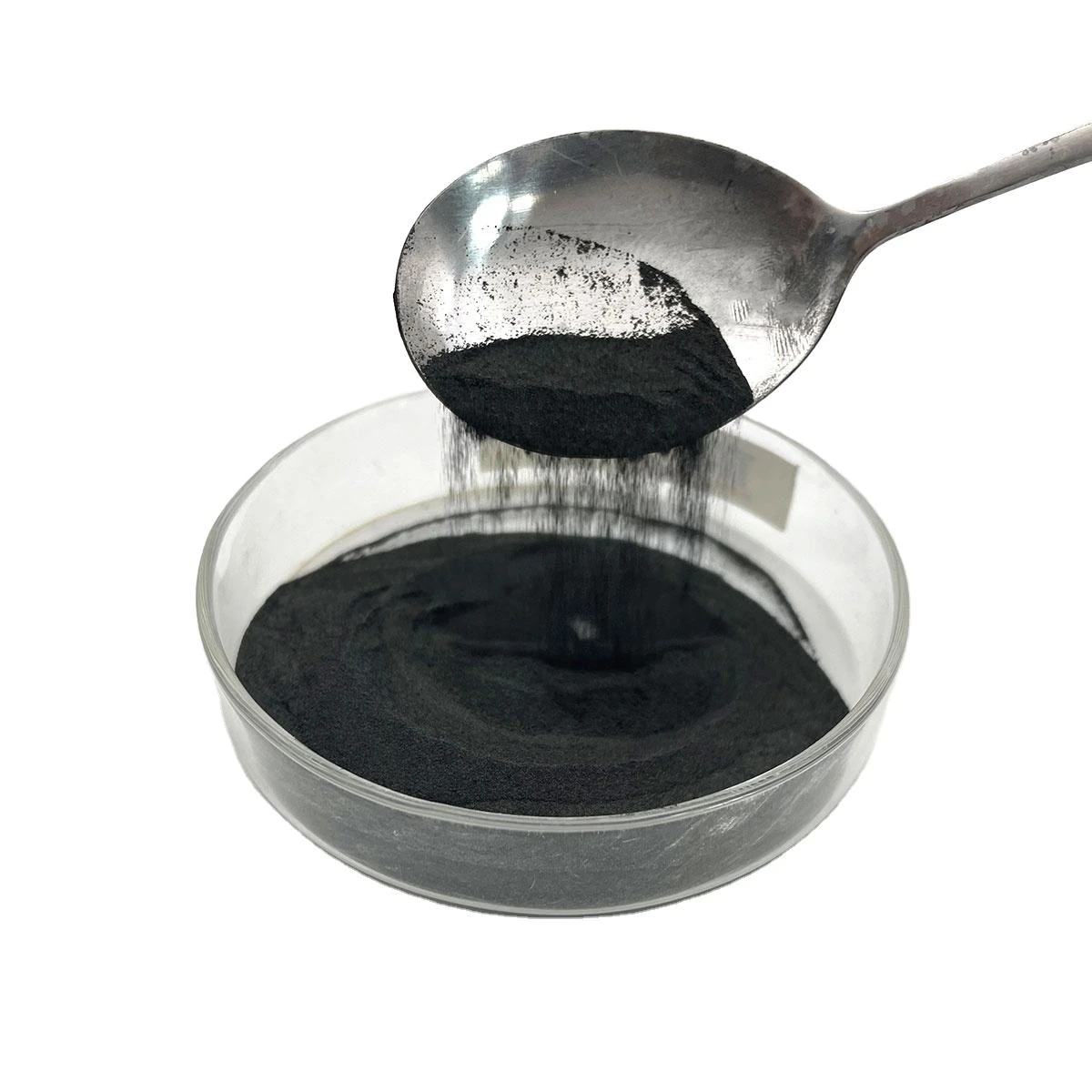
Alpha silicon carbide powder (α-SiC)
α-SiC
- Phase
- Alpha (α-SiC)
- CAS RN
- 409-21-2
Tell us the particle size and purity you need.
Ask about this powder: Alpha silicon carbide powder (α-SiC)Carbide powdersPC-142
Source silicon carbide (SiC) ceramic powder for your process.
Compare raw powders, prepared pressing feedstocks and abrasive grades. Start with a reference grade, the size and purity you need, or what you plan to make.
No fixed MOQ at Nike. Tell us the quantity you need; supplier pack sizes and availability are checked with your request.
Start with alpha SiC, a spherical powder or a 500 nm beta SiC requirement. Select a powder to carry its details into your inquiry.
α-SiC
Tell us the particle size and purity you need.
Ask about this powder: Alpha silicon carbide powder (α-SiC)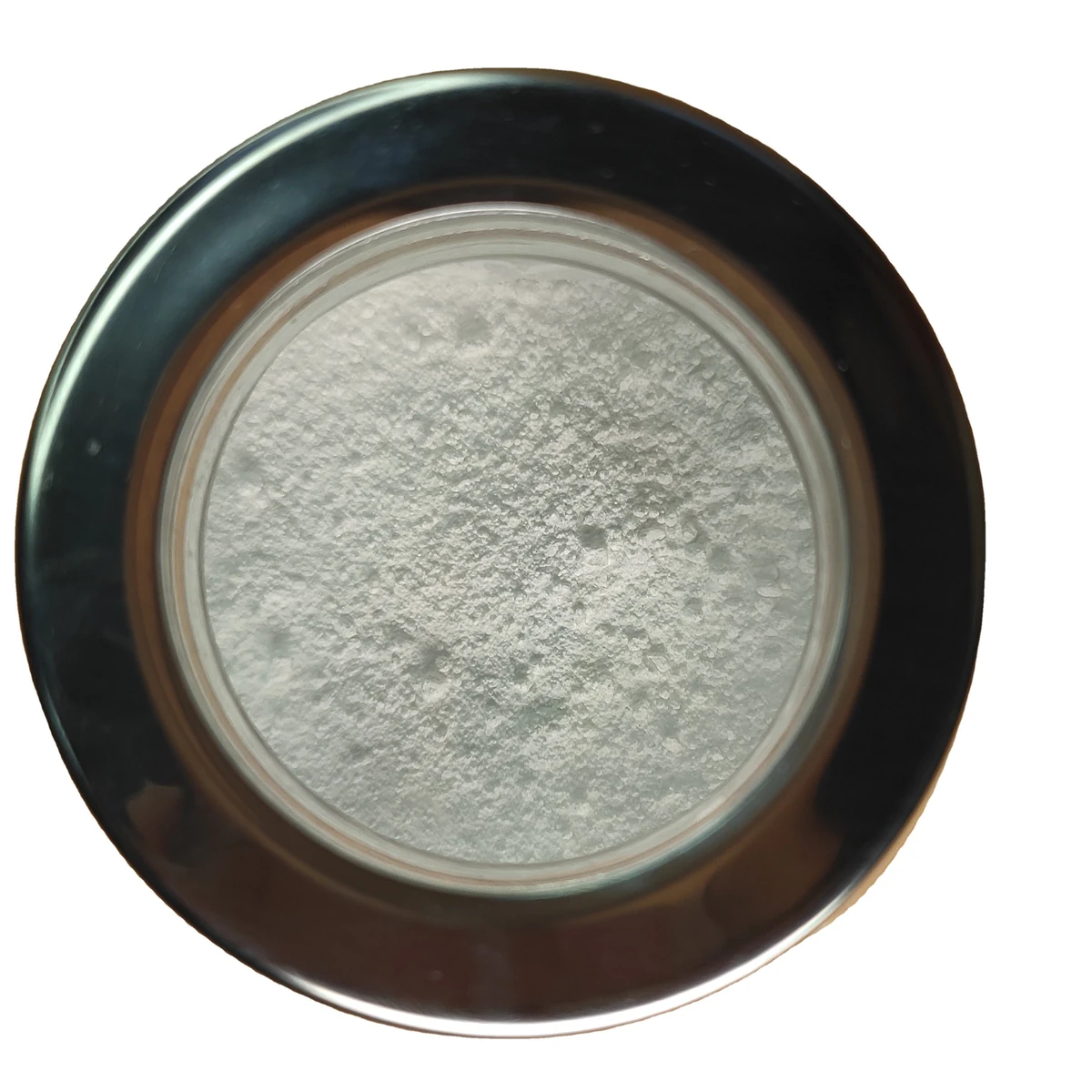
15–53 µm · 99%
Include any phase requirement. Ask for the size method, purity basis and particle-shape data when comparing grades.
Ask about this powder: Spherical silicon carbide powder (SiC)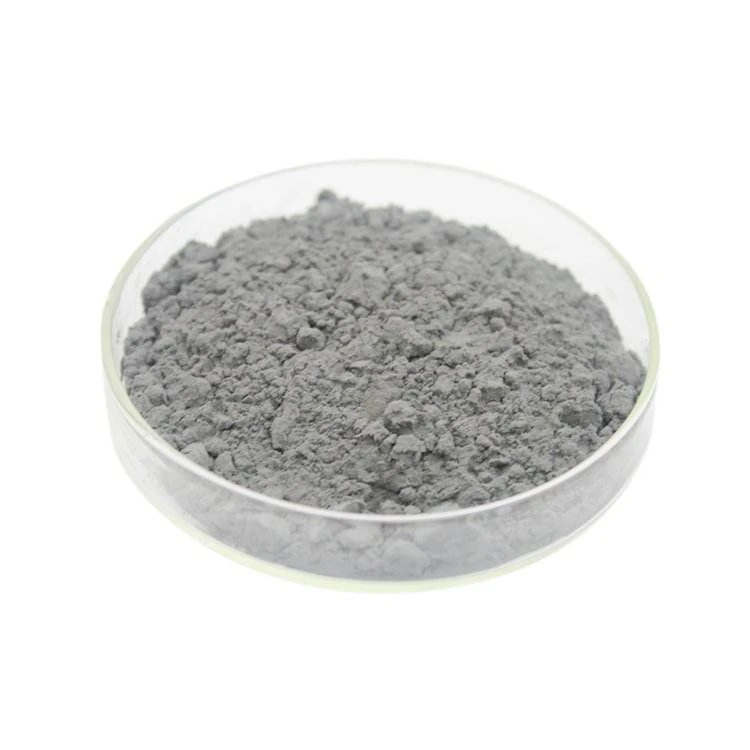
β-SiC · 500 nm
Confirm how the 500 nm size is measured, and include your purity requirement.
Ask about this powder: Beta silicon carbide powder (β-SiC)Product photographs with the accompanying listed specifications. The proposed grade, test methods and supply terms are confirmed with your quotation.
Your supplied form comes first. Alpha or beta phase, size and purity can then be specified within the direction that fits your work.
You prepare the formulation or powder feedstock.
Compare alpha or beta SiC using the particle-size distribution, surface area and impurity limits your ceramic process needs.
Raw powder leaves mixing, additives and granulation to your process. For prepared pressing granules, see the RTP direction.
Useful starting details: Phase or reference grade; forming and sintering route; powder size and chemistry.
Request this direction: Ceramic raw powdersYou need prepared granules for pressing.
RTP feedstocks combine SiC with processing additives. The binder system, granule distribution and pressing conditions help determine whether the feedstock fits your process.
Check the binder and debinding requirements before substituting an external formulation for your own.
Useful starting details: Pressing method; binder restrictions; granule and green-body requirements.
Request this direction: Ready-to-press feedstocksYou are removing material or refining a surface.
Start with the workpiece, finishing step and abrasive standard. Keep the full FEPA, JIS or ANSI designation when comparing grades.
A grit number alone leaves the size limits unclear. A ceramic sintering powder needs a different specification.
Useful starting details: Workpiece; grinding, lapping or polishing step; grit standard or micron requirement.
Request this direction: Grinding and polishingYou need a reference material or specific impurity limits.
Compare the analytical basis behind the purity claim. Identify the elements or residues that could affect your experiment, along with the required phase and powder form.
A higher stated percentage may use a different test basis. It does not establish equivalence to your reference material.
Useful starting details: Reference code; required phase; impurity limits and analytical methods.
Request this direction: Purity-sensitive researchYou are testing SiC in a resin, adhesive or other host material.
Compare size distribution, particle shape and mixing behaviour. Set thermal and electrical targets separately, then evaluate the candidate in your formulation.
If electrical insulation is essential, also consider suitable BN or AlN options. SiC is not automatically an insulating filler.
Useful starting details: Resin or host material; mixing route; thermal and electrical targets and test conditions.
Request this direction: Composite filler developmentThese are sourcing directions. The proposed grade and its specification are confirmed with your quotation.
Both may be described as SiC, but they arrive at different stages of preparation. Choose raw powder when you control the formulation. Consider prepared granules when you need a feedstock for your pressing route.
RTP means ready-to-press. Confirm which binder or processing additives it contains and how they fit your debinding and sintering process.
Specify the powder itself. Your process supplies the formulation and preparation steps.
Specify the granules and their processing additives, as well as the constituent powder.
Schematic of supplied forms, not to scale. Granule size and raw-powder size are different measurements.
You can start without every field. A current datasheet or a few critical limits will help us narrow the search.
| Specification | What it tells you | What to compare |
|---|---|---|
| Phase / phase fraction | Alpha or beta describes the crystal structure. A phase percentage describes how much of that phase is reported. | Required phase, reference grade and any phase-fraction limit or method. |
| Assay / purity basis | A purity percentage depends on what the analysis counts. Metals basis and total SiC assay answer different questions. | Assay basis and any limits for free silicon, free carbon, oxygen or specified elements. |
| Particle-size distribution (PSD) | D10, D50 and D90 describe points in a distribution. D50 is its median, not a maximum particle size. | Values and units, distribution basis, method and sample preparation; coarse-particle limit if critical. |
| Abrasive designation | Grit systems define more than a single size. The same number can mean different distributions in different systems. | Full FEPA, JIS or ANSI designation, or the current product specification. |
| BET surface area | BET reports the surface area accessible to a gas, usually in m²/g. It provides information that size alone may not capture. | Required range, test method and sample pretreatment where used for acceptance. |
| Binder / processing additives | Prepared feedstocks may introduce constituents beyond the SiC powder itself. | Binder and additive restrictions; compatibility with pressing, debinding and sintering. |
| Granules / density | Granule size concerns prepared particles for handling and forming. True, loose bulk, tapped and green-body densities describe different states. | Which material state and density type are intended, with test conditions. |
| Surface state / moisture | A surface treatment, moisture or residue may change how the powder works in your formulation. | Only the limits relevant to your process, plus any required treatment or storage instructions. |
A beta-phase percentage describes the crystal-phase mixture. Chemical purity describes composition under a stated analysis. Keep both labels when comparing specifications.
A reported average, microscopy particle size and D50 have different meanings. Check the sample preparation and whether the measurement includes agglomerates or prepared granules.
Read these as the sizes below which 10%, 50% and 90% of the reported distribution fall. Include whether that distribution is based on volume, number or another basis.
For example, a D50 of 0.9 µm can occur alongside a D90 of 2.2 µm. The median does not describe the coarse end.
Reading example, not a supply specification. Reference method: laser diffraction to ISO 13320 after ultrasonic deagglomeration. Retain the measurement conditions when comparing another report.
The same formula does not give every grade the same processing behaviour. Use the requirements of your process to choose what to compare.
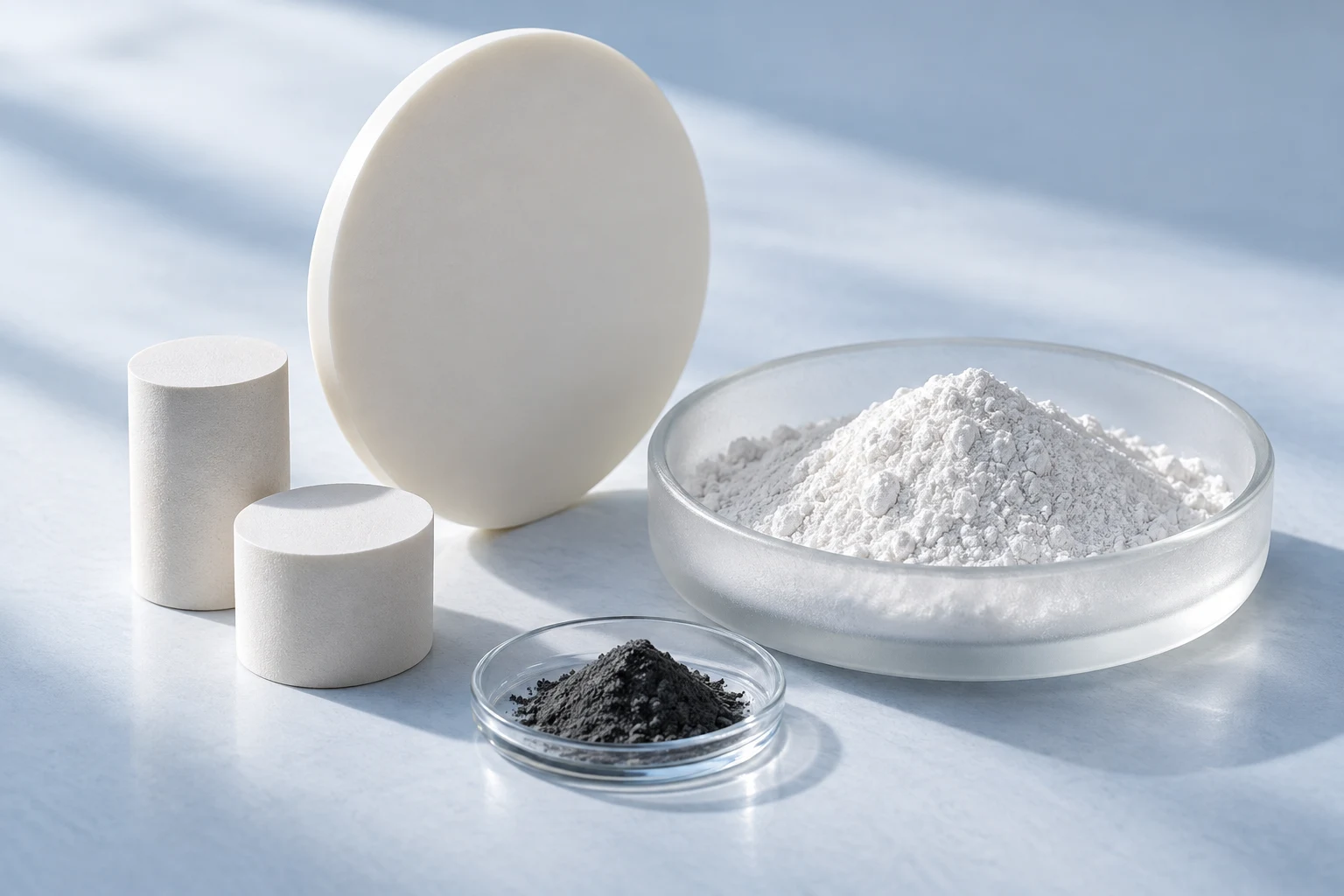
For a formulation you already run, begin with its phase, size distribution and impurity limits. A similar D50 alone does not establish an equivalent grade. Include BET surface area where it forms part of your acceptance criteria.
After comparing the powder documents, evaluate forming and sintering behaviour in your process. Final-part strength, density or thermal properties need their own test conditions.
Explore ceramic processing requirementsFor prepared granules, compare the binder and the granule properties first. The green body is the formed part before sintering. Its behaviour depends on the feedstock and pressing conditions, so include your debinding and later processing route.
Discuss pressing feedstocksChoose the abrasive around the workpiece and finishing stage. Keep the standard and any coarse-particle limits in the specification; “finer” alone does not describe a suitable replacement.
Discuss abrasive requirementsDefine the thermal target, electrical requirement and acceptable mixing viscosity separately. Powder data does not predict the finished formulation by itself. Include the host material and how the filler will be mixed.
For an electrical insulation requirement, compare suitable BN and AlN powders as well.
Explore filler selectionCommon names include SiC powder, silicon carbide, carborundum, carbon silicide and silicon monocarbide.
These identifiers describe the SiC base material. A prepared feedstock may contain other constituents; use its grade documents and SDS to check the complete supplied material.
Nike works with your material requirements to seek suitable supply options. We compare the proposed grade and clarify differences before you decide whether to evaluate a sample or proceed with a quotation.
Request an evaluation quantity or a bulk quotation. Nike has no fixed MOQ; source pack sizes, availability and timing are confirmed for the actual requirement.
Share your destination and target date if known. Any packaging, documentation or delivery conditions should be clear in the quotation.
Include any TDS, SDS or batch CoA requirements. We will clarify which files are available and whether they cover the proposed material and the properties you need to check.
For samples, agree the source reference, quantity, charges and intended evaluation. Keep that reference when discussing a later order.
For handling and storage, use the SDS and instructions for the selected grade, including any binder or surface treatment. Ask for these files during the sourcing review.
Choose a direction, describe a reference grade or tell us about your process. Unknown technical fields can stay blank.
Your selections open in the inquiry page for you to review and add a reply email.
Start with the material name onlyNo. Silicon carbide is the compound SiC; silicon powder is elemental Si. Check the material name, formula and supplier grade when matching an existing product.
Use the phase required by your process or reference grade as the starting point. Size distribution, surface area and chemistry still need to match. The phase name alone does not establish an interchangeable grade.
These names identify supplier product families and appearance. Use the grade documents to compare phase, assay and impurities; colour alone does not establish those properties.
RTP is a prepared feedstock that can include binder and other processing additives. Its granule distribution and processing conditions need to be assessed separately from the raw powder used to make it.
Keep the grading system and full designation. Conversion charts give approximate comparisons. One median micron value does not specify all the distribution limits in a grit grade.
State which size is intended: primary particles seen by microscopy, the measured powder distribution or prepared granules. Include the method and dispersion conditions. A small primary-particle size does not mean the supplied powder contains no larger agglomerates. Whiskers and fibres are separate forms.
The metals-basis label defines a particular analytical scope. Confirm the assay definition and any free silicon, free carbon, oxygen or other impurity limits before treating it as total SiC content.
Treat insulation as a separate requirement. Compare relevant grade and formulation data against your resistivity or insulation target. Suitable boron nitride or aluminium nitride grades may also be worth evaluating.
Yes, both requests are welcome. Nike sets no fixed MOQ. Tell us the amount you need; supplier pack sizes and minimum quantities are checked for the proposed material.
Phase, impurity limits and testing, size distribution, surface area, processing additives, quantity, packaging and destination can change the quotation. A reference specification helps us compare supply options on the same basis.