Graphene nanoplatelets powder
graphene nanoplatelets powder (GNPs)
C
Laboratory powders
Graphene, carbon nanotubes and related two-dimensional materials. Start with the material identity, then define the dimensions and surface chemistry your experiment needs.
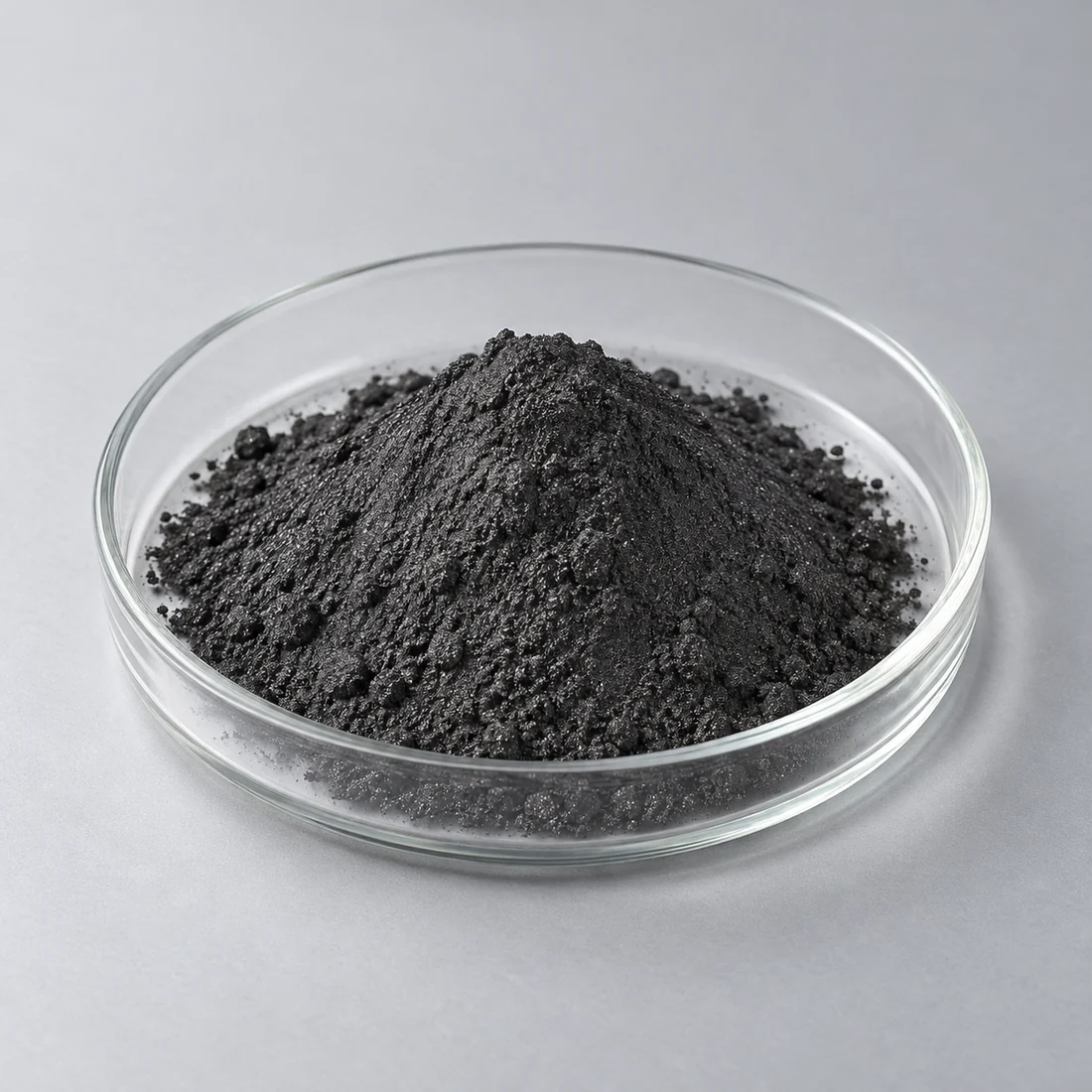
Start with the requested carbon material: GNP, graphene oxide (GO) or reduced graphene oxide (rGO). Compare sheet dimensions and surface chemistry before comparing prices.
graphene nanoplatelets powder (GNPs)
C
Graphene oxide / GO; variable C/O
reduced graphene oxide powder (rGO)
Reduced graphene oxide / rGO; variable C/O
Choose single-walled or multi-walled CNTs, then any required functional groups. Carboxyl (-COOH) and hydroxyl (-OH) treatments belong in the material identity.
single-walled carbon nanotubes powder (SWCNTs)
C
multi-walled carbon nanotubes powder (MWCNTs)
C
carboxyl-functionalized carbon nanotubes powder (COOH-functionalized CNTs)
C framework with -COOH groups
hydroxyl-functionalized carbon nanotubes powder (OH-functionalized CNTs)
C framework with -OH groups
Fullerene C60, conductive carbon black and acetylene black are separate material types. Use the intended formulation and particle requirements to narrow the inquiry.
C60
C
C
Graphitic carbon nitride (g-C3N4) and boron nitride nanosheets (BNNS) have different chemistry from graphene. Keep the full formula in the request.
Graphitic carbon nitride (g-C3N4) semiconductor / photocatalyst powder
C3N4
Boron nitride nanosheet (BNNS) powder; 2D ceramic nanosheets
BN
Add materials to your inquiry, then review them before sending. Review inquiry (0)
Start with the material identity and process, then check the details on the proposed datasheet.
Stacks of thin graphitic platelets.
GOGraphene oxideOxidized sheets with oxygen-containing groups.
rGOReduced graphene oxideReduced GO with residual oxygen and defects.
GraphiteGraphite powderGraphitic particles; thickness varies by grade.
Distinguish graphene, graphene oxide, reduced graphene oxide, nanotubes and non-carbon nanosheets. Dry powder and a solvent dispersion are different purchasing requirements.
For sheets, specify thickness and lateral size; for nanotubes, diameter and length. Record functionalization, residual catalyst and the measurement method.
Agree how the material will be dispersed and evaluated. A microscopy image or nominal layer count alone is not a batch acceptance criterion.
No. BN nanosheets are a boron nitride ceramic, while g-C3N4 is a carbon nitride semiconductor. They sit alongside carbon materials here for research navigation, but their chemistry and selection criteria remain distinct.
Graphite anode grades and MXenes have separate directories. A sheet, film or pre-dispersion is not presented as a dry powder.
A material name or reference datasheet is enough to start. Add any requirements you already know.
Nike has no fixed minimum order. Tell us the quantity you need; we’ll check supplier pack sizes and any minimums.
We’ll check the proposed grade, sample options, delivery timing and available batch documents. Include any essential COA, TDS or SDS requirements.
Send a material request